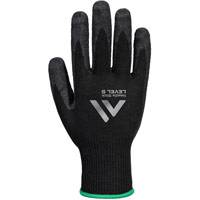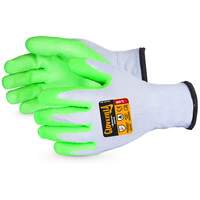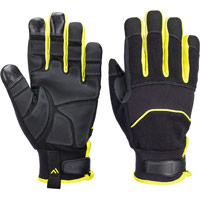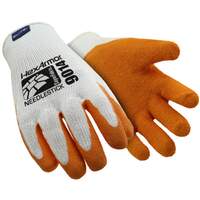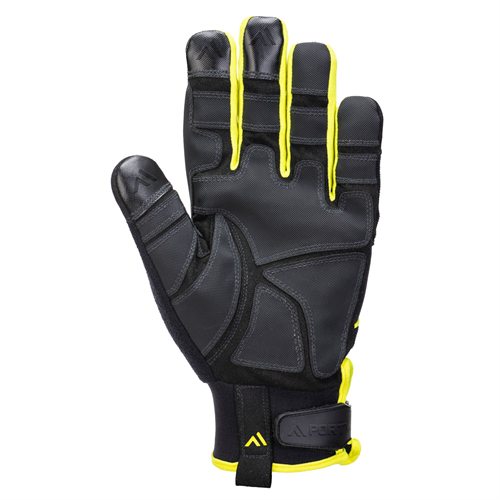
Whether you are buying Puncture-Resistant Gloves for general issue or a specific task, it is worth looking beyond material or unit price. Fit, grip, dexterity, protection level and wearer acceptance all affect whether a glove gets worn consistently and performs properly in use.
If the size options use Small | 7, Medium | 8, Large | 9 and similar, our guide shows how to measure your hand and match the size before you order. It covers the common sizing used across many work gloves.
Buying gloves for 100+ employees? Our free on-site glove survey can also review glove choice, size spread and glove spend across your team.

Puncture-resistant gloves are designed to protect the hands from puncture hazards. They are typically used in industries where workers handle sharp objects or work in hazardous environments where puncture injuries are common. Puncture-resistant gloves are made from materials such as Kevlar, steel mesh, or other high-strength fibers. They can also be coated with materials like latex, nitrile, or polyurethane to provide additional protection against punctures.
Puncture-resistant gloves come in a variety of styles, including disposable gloves, reusable gloves, and heavy-duty gloves. They are often used in industries such as construction, manufacturing, automotive, and healthcare. Puncture-resistant gloves should be selected based on the specific hazards of the job and the level of protection required. Employers should ensure that workers are trained in the proper use of puncture-resistant gloves and that they are properly maintained and replaced when necessary.
Please see our PPE disclaimer at the bottom of the page.