The PPE Online Shop is now Ruffles Workwear
The PPE Online Shop is now Ruffles Workwear
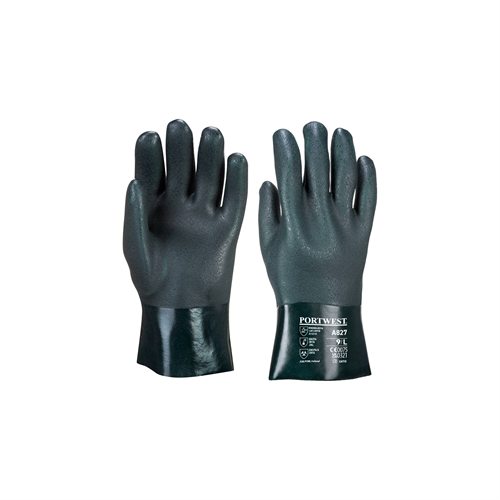
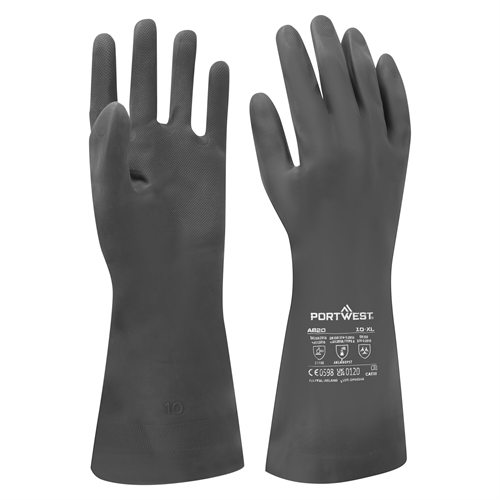
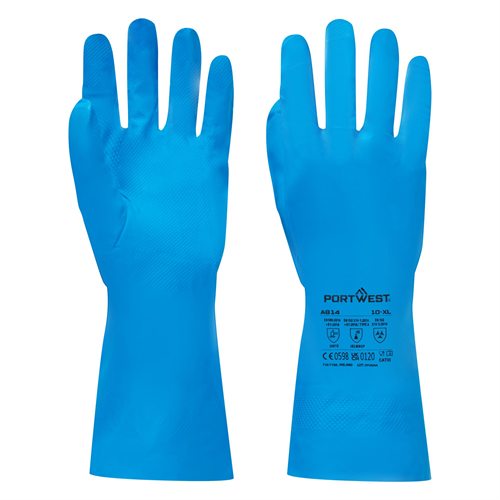
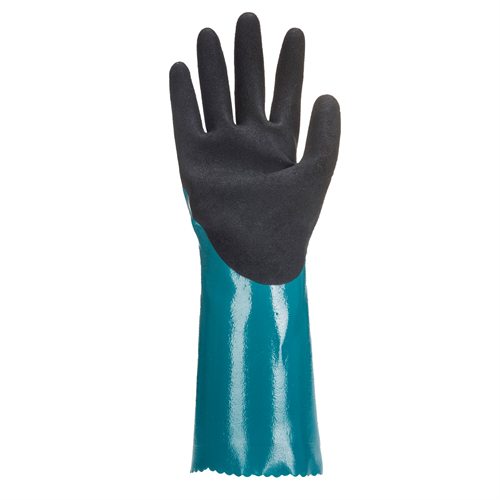
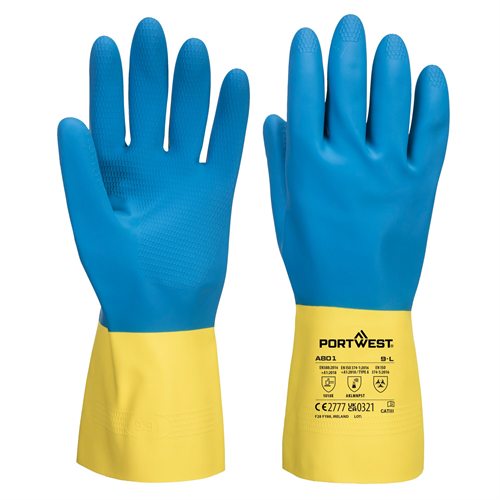
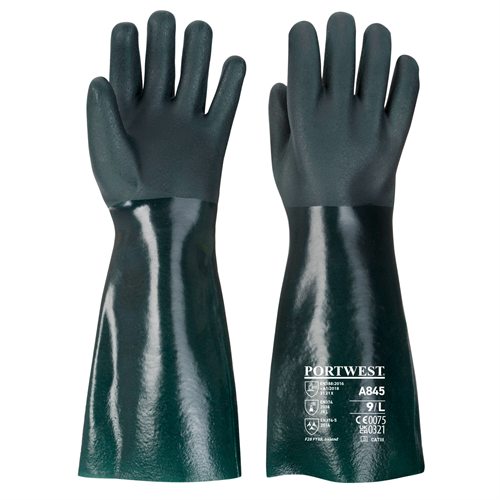
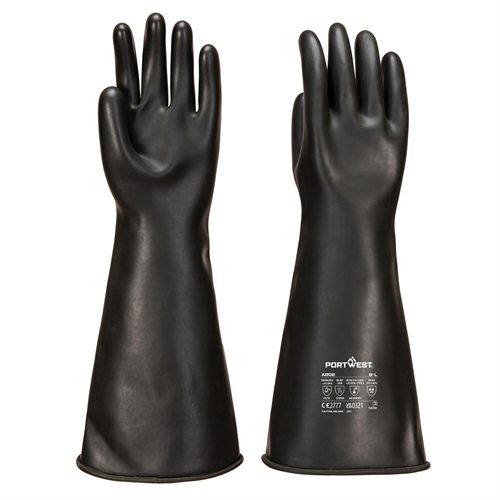
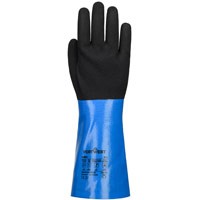
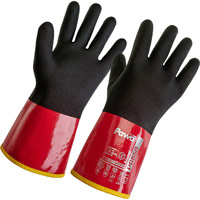
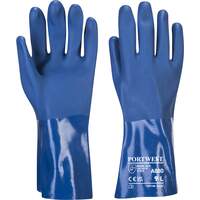
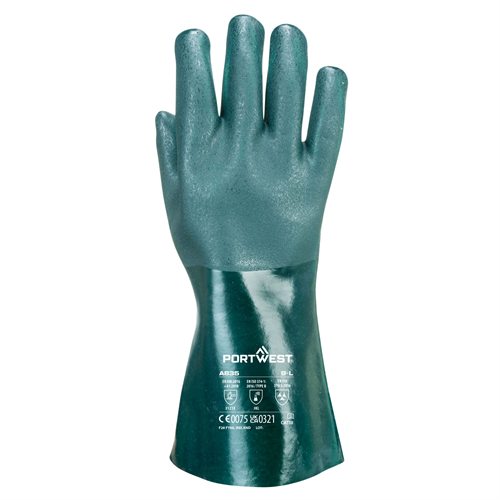
Whether you are buying Chemical Protection Gloves for general issue or a specific task, it is worth looking beyond material or unit price. Fit, grip, dexterity, protection level and wearer acceptance all affect whether a glove gets worn consistently and performs properly in use.
For chemical handling, compatibility and task suitability matter just as much as comfort, so it is important to match the glove to the substance and exposure involved.
If the size options use Small | 7, Medium | 8, Large | 9 and similar, our guide shows how to measure your hand and match the size before you order. It covers the common sizing used across many work gloves.
Buying gloves for 100+ employees? Our free on-site glove survey can also review glove choice, size spread and glove spend across your team.

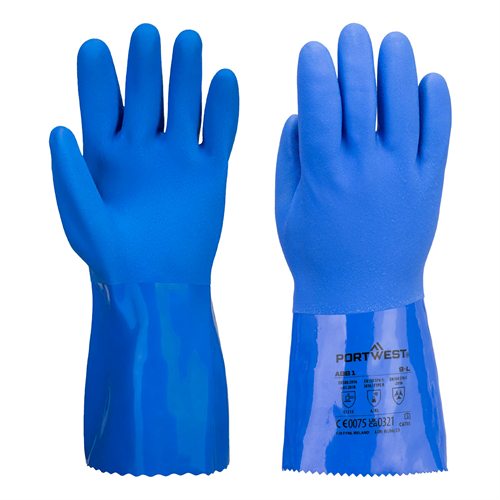
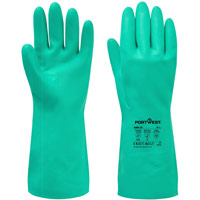
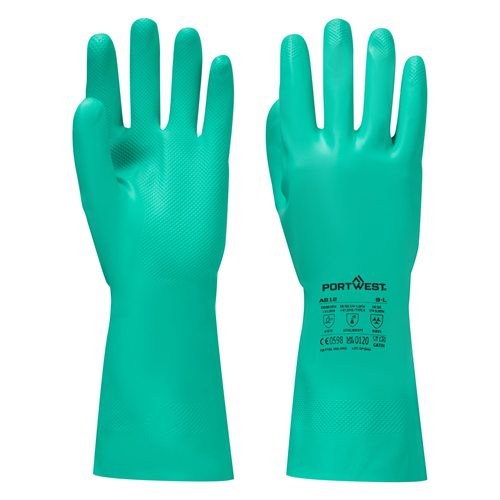
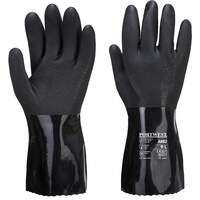
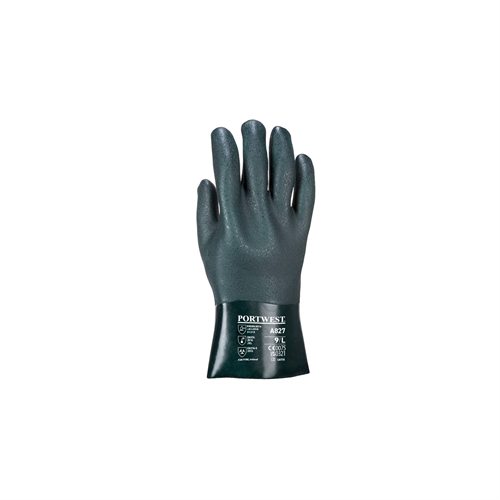
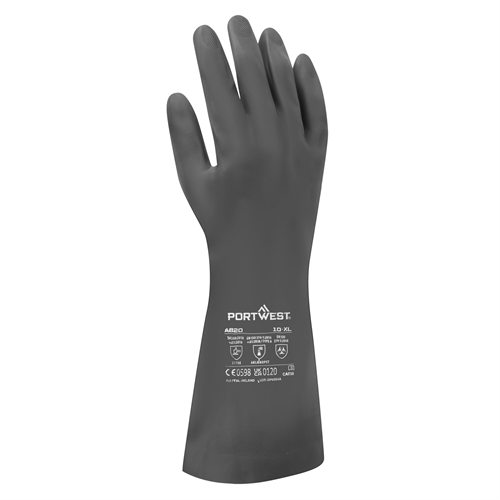
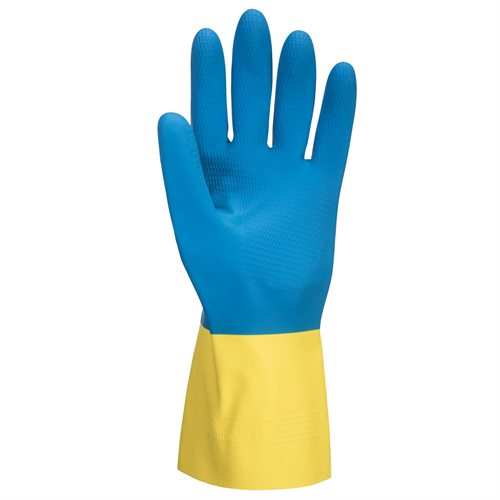
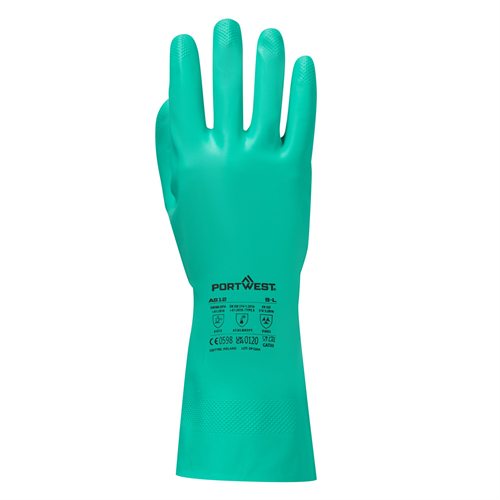
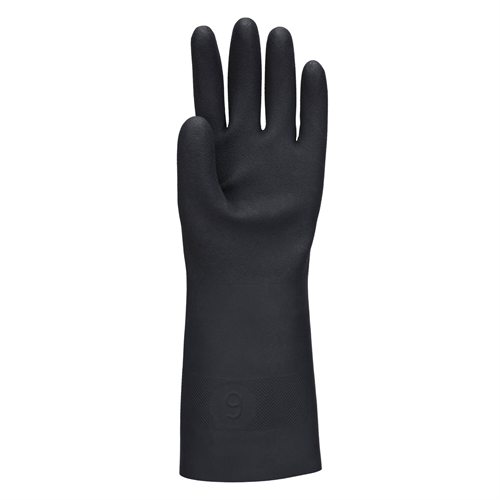
Chemical protection gloves are a type of personal protective equipment (PPE) designed to protect the hands from exposure to harmful chemicals and substances. These gloves are made from materials that are resistant to a variety of chemicals, including acids, alkalis, and solvents.
When selecting chemical protection gloves, it is important to consider the specific type of chemicals that will be handled and the duration of contact. Different gloves are designed to provide protection against different chemicals, so it is important to choose the right type of glove for the job. Some chemical protection gloves are made from natural rubber latex, while others are made from nitrile, neoprene, or PVC.
It is important to note that while chemical protection gloves provide a high level of protection against chemical exposure, they may not be suitable for all situations. For example, some chemicals can permeate through gloves over time, so it is important to regularly check gloves for signs of wear or damage. Additionally, gloves should be properly disposed of after use to prevent the spread of hazardous chemicals.
Please see our PPE disclaimer at the bottom of the page.